News & Insights
Wide-Mouth vs Narrow-Mouth Stainless Steel Bottles
A wide mouth fits ice and cleans easily; a narrow mouth drinks cleanly and travels well. Compare both by use, lid and cleaning to pick the right bottle for your order.
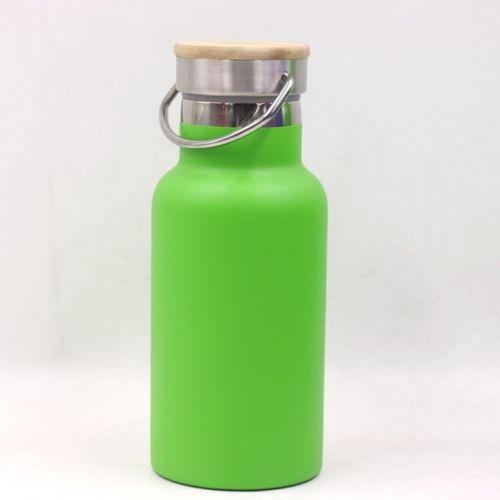
Two bottles can hold the same amount, carry the same logo, and keep a drink cold for the same length of time — and still suit two different buyers. The difference is often the mouth: the opening at the top. A wide mouth fits ice and is easy to clean. A narrow mouth is easier to drink from without spilling and suits a bottle that travels. Neither is better in general; the right one depends on how the bottle will be filled, carried, drunk from, and washed.
This guide compares the two by those four jobs, so a wholesale buyer can match the mouth to the use before ordering. It does not set a price, an order quantity, or a delivery time. Those details change with each order, so confirm them with the supplier for the exact product you choose.
The short answer
Choose a wide mouth when the bottle will be filled with ice, cleaned often, or used at a desk, in a kitchen, or at an event where refilling is easy. Choose a narrow mouth when the bottle will be carried in a bag, drunk from while walking or driving, or used where a spill would be a problem. If the order covers both kinds of users, order both mouths rather than forcing one shape on everyone.
That is the whole guide in one paragraph. The rest explains why, and what to check when the use is mixed — because mouth width is easy to overlook on a product page, and it is one of the first things the end user notices.
What does a wide mouth do well?
A wide mouth is an opening broad enough to drop ice in without forcing it, to pour a drink in without a funnel, and to reach inside with a brush or cloth when washing. Winsong describes its wide-mouth bottles as fitting ice and being easy to clean, and those two points are the practical core of the design.
Ice is the clearest case. A buyer who wants ice in the bottle — for a cold drink at a desk, a sports sideline, or an outdoor event — needs an opening the ice can pass through. A wide mouth takes ice from a tray, a bag, or a dispenser without the user having to break it down or wait for it to melt. For a 20 or 30 oz bottle that will be refilled through the day, that convenience is used again and again.
Cleaning is the second case. A wide mouth lets a brush or cloth reach the inside walls and the bottom, so the daily wash and the deeper weekly clean in this site's cleaning guide are both easier to do properly. A bottle that is easy to clean gets cleaned; a bottle that is awkward to clean gets left, and a left bottle stops being used. For a corporate gift or a retail product, that difference decides whether the bottle is still in use months later.
Filling is the third case. A wide mouth accepts a drink poured from a jug, a tap, or another bottle with less spilling and less aiming. Where bottles are filled in batches — an office, an event, a team — the wide mouth saves time and mess at the filling point.
The trade-off is drinking. A wide opening lets more liquid reach the mouth at once, so drinking while walking, driving, or moving can spill more easily. A wide-mouth bottle is usually drunk from at rest, or through a lid made for sipping or a straw. The lid matters here: check what lid comes with the exact product, because the lid, not the mouth alone, decides how the bottle drinks on the move.
What does a narrow mouth do well?
A narrow mouth is a smaller opening, shaped for drinking directly from the bottle. The flow is easier to control, so a user can drink while walking, on a commute, or between tasks with less risk of spilling. For a bottle that spends its day in a bag, a backpack, or a car, that control is the point.
Carrying is the first case. A narrow-mouth bottle is typically the slimmer, more portable shape, and it is drunk from in short sips through the day rather than filled and emptied at a desk. Paired with a secure leak-proof lid — the lid Winsong describes on its bottles — it can be carried on its side in a bag and opened only when the user wants a drink. Ask the supplier to confirm the lid for the exact product, because the seal is part of the product, not an afterthought.
Drinking on the move is the second case. A commuter, a driver, a warehouse worker, or a hiker drinks in motion and often with one hand. A narrow mouth, or a lid designed for one-handed sipping, suits that pattern better than a wide opening. The travel mugs on this site, at 16 oz / 500 ml, are built on the same idea for coffee: a shape and lid made for a commute rather than a desk.
The trade-offs are ice and cleaning. Ice may not fit through a narrow mouth, or may need to be smaller pieces. Cleaning takes more care: a narrow opening is harder to reach with a brush, so the wash relies more on hot water, a bottle brush that fits, and drying the bottle open. None of that makes a narrow-mouth bottle hard to own — it makes the cleaning routine worth stating plainly to the end user, so the bottle stays in use.
How do they compare, side by side?
For ice, the wide mouth wins: ice goes in easily, in the sizes a tray or dispenser produces. For drinking in motion, the narrow mouth wins: the flow is controlled and spills are less likely. For cleaning, the wide mouth wins: a brush or cloth reaches the inside, and both the daily wash and the deeper clean are simpler. For carrying in a bag, the narrow mouth with a sealing lid wins: it is the shape made to travel closed and open briefly. For filling in batches, the wide mouth wins: pouring is faster and cleaner. For a desk, either works, and the wide mouth's easy refill and wash usually decide it.
Size does not settle the question by itself. A 20 oz bottle and a 30 oz bottle can each come with either mouth, and the same capacity in two mouths is two different products in daily use. The size guide on this site compares 12, 16, 20 and 30 oz by use — office, gym, travel, events and retail. Read the mouth choice together with the size choice: first the day the bottle must survive, then the size that covers it, then the mouth that fits how it will be filled, drunk from, and washed.
Insulation does not settle it either. Both mouths sit on the same construction Winsong lists for the range: food-grade double-walled vacuum insulation, cold for 24 hours and hot for 12 hours, in BPA-free food-grade stainless steel that is rust-resistant, reusable, and sweat-proof. The vacuum insulation guide on this site explains what helps that performance — how full the bottle is, how often the lid is opened, and the condition of the seal. A mouth that suits the use protects the insulation in practice, because a bottle that is easy to fill, drink from, and clean is a bottle that stays filled, closed, and in use.
Choosing by use
For an office, a desk gift, or a meeting room, start with a wide mouth. The bottle is filled at a tap or dispenser, ice is welcome, and the wash happens at a sink where a brush can reach inside. A 20 oz bottle suits most desks; a 30 oz suits a longer day without refilling. The logo sits on the body either way, so the mouth choice here is about daily convenience, not appearance.
For a gym, a sports team, or outdoor work, ask how the bottle will be drunk from. If it is opened at rest between sets or at a break, a wide mouth with ice is comfortable. If it is sipped while moving, a narrow mouth or a sipping lid is safer. The lid decides as much as the mouth, so name the activity in your inquiry and ask which lid and mouth the supplier recommends for it.
For a commute or a car, start with a narrow mouth or a travel mug. The drink is taken in motion, often with one hand, and a spill in a car is the failure to avoid. A 16 oz travel coffee cup covers the coffee routine; a narrow-mouth bottle covers water through the day. If one person needs both, order both rather than asking one shape to do two jobs.
For an event or a retail shelf, think about the second week, not the first day. A wide mouth is easier for a new owner to clean and refill, which keeps the bottle — and the logo on it — in daily use. A narrow mouth suits a buyer who already carries a bottle everywhere. Where the audience is mixed, a split order covers more people than a single mouth, and it gives the buyer a reason to come back for the shape they did not order first.
For a corporate gift, match the mouth to the recipient's day, as with shape and size. A desk worker will use a wide mouth gladly. A field worker or a commuter will reach for a narrow mouth. If you do not know, describe the group, the day, and where the bottle will be used, and ask the supplier to recommend the mouth and lid for that use. That question gets a more useful answer than asking which mouth is better in general.
What to check before you order
Check the mouth first, in plain terms. Ask the supplier to confirm the mouth type for the exact product — wide or narrow — and whether the same body is available with the other mouth. Product pages describe the range; the confirmation that matters is for the product, size, and lid in your order.
Check the lid next. The lid decides whether the bottle seals in a bag, drinks with one hand, takes a straw, or opens fully for ice and cleaning. Ask what lid comes with the product and whether other lids are available. A secure leak-proof lid is a claim about a specific product and lid combination, so confirm it for yours rather than assuming it across the range.
Check cleaning with the end user in mind. If the bottle will be washed daily at home, a wide mouth is the easier gift. If it will travel and be rinsed on the move, say so, and ask how the supplier recommends cleaning that model. The cleaning guide on this site gives a simple daily wash and a deeper weekly clean; a wide mouth makes both easier, and a narrow mouth makes the routine worth spelling out.
Check the size and the logo area together. Custom logos, colours, and packaging are supported for business and wholesale orders, and the print area differs by size and shape. Share your logo file in your inquiry, ask where it will sit on the size you choose, and ask for a proof before you confirm. Check the spelling and colours on the proof, and keep a copy of the version you approved.
And confirm the details that change with each order — the price, the order quantity, and the delivery time — with the supplier for your exact order, after the mouth, lid, size, and use are settled. Do not guess at them, and do not assume a figure from one product applies to another.
Frequently asked questions
Is a wide mouth better than a narrow mouth? Neither is better in general. A wide mouth is better for ice, filling, and cleaning. A narrow mouth is better for drinking in motion and carrying in a bag. The better mouth is the one that matches how the bottle will be used each day.
Can ice fit in a narrow-mouth bottle? It depends on the model. Some narrow mouths take small ice pieces; many do not take tray-sized ice easily. If ice matters for your use, choose a wide mouth, or ask the supplier to confirm what fits the exact product before you order.
Is a wide-mouth bottle harder to drink from? At a desk, no. While walking or driving, a wide opening can spill more easily, because more liquid reaches the mouth at once. A sipping or straw lid changes that, so check the lid on the exact product rather than judging by the mouth alone.
Which mouth is easier to clean? A wide mouth. A brush or cloth can reach the inside walls and the bottom, so the daily wash and the deeper weekly clean are simpler. A narrow mouth can still be cleaned well with hot water and a brush that fits, but the routine takes more care.
Do both mouths keep drinks cold for 24 hours and hot for 12 hours? That is how Winsong lists the range: food-grade double-walled vacuum insulation, cold for 24 hours, hot for 12 hours. Ask the supplier to confirm the insulation for the exact product you are ordering, and describe how it will be used. A bottle left open, half full, or with a damaged seal will not hold its temperature the way a filled, closed bottle does.
What should I put in my first inquiry? Send it through the contact form at /contact. Include the size, the colour, and the logo if you have one, and add how the bottle will be used — office, gym, travel, event, retail, or gift. Name the mouth you prefer, the lid you need, and whether ice and easy cleaning matter. The supplier can then confirm the product, mouth, lid, and logo area for that exact order.