News & Insights
Stainless Steel vs Plastic vs Glass Bottles for Wholesale Buyers
Stainless steel, plastic or glass? Compare the three by durability, cleaning, insulation and daily use to choose the right bottle material for your order.
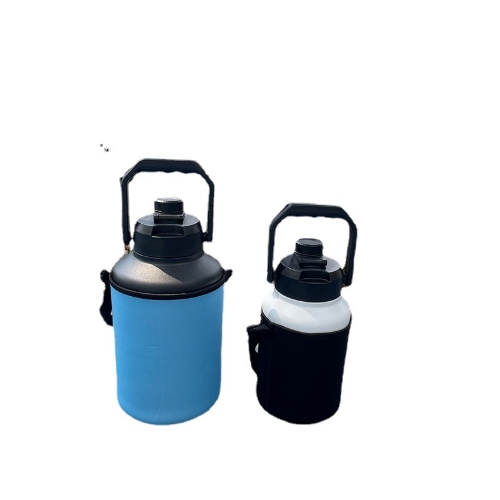
A wholesale buyer choosing a bottle material is not choosing a look. The material decides whether the bottle survives a bag, a gym, and a daily wash; whether it keeps a drink cold; and whether the person who receives it is still using it months later. Stainless steel, plastic, and glass each answer those questions differently.
This guide compares the three by durability, cleaning, insulation, and daily use, so you can match the material to the job before you order. It does not set a price, an order quantity, or a delivery time. Those details change with each order, so confirm them with the supplier for the exact product you choose.
The short answer
Choose stainless steel when the bottle must travel, take daily knocks, keep drinks cold or hot for hours, and carry a logo for a long time. Choose plastic when low weight and low unit cost matter most and the bottle will be treated gently. Choose glass when the bottle will mostly stay in one place, such as a desk or a home, and breakage is a small risk.
That is the whole guide in one paragraph. The rest explains why, and what to check when the use is mixed — because a material that suits one audience can disappoint another, even at the same size and with the same logo.
What does stainless steel do well?
Stainless steel is the material built for repeated daily use. Winsong describes its range as BPA-free food-grade stainless steel that is rust-resistant, reusable, and sweat-proof, with a secure leak-proof lid. Those points matter to a wholesale buyer because they describe how the bottle behaves after the first week, not just how it looks on the shelf.
Durability is the first case. A steel bottle can be carried in a bag, set down on hard surfaces, and used outdoors without the breakage risk that comes with glass. It will not shatter if it is knocked off a desk. For a corporate gift, a gym bottle, or a retail product, that toughness protects both the drink and the logo printed on the bottle.
Insulation is the second case. Winsong lists its bottles with food-grade double-walled vacuum insulation, cold for 24 hours and hot for 12 hours. A plastic or glass bottle without that construction cannot be expected to hold temperature the same way. If your buyers want a cold drink through a working day or a hot drink on a commute, insulation is a reason to start with steel and then confirm the performance for the exact product.
Cleaning is the third case. Winsong describes its bottles as easy to clean, and a wide mouth fits ice and lets a brush or cloth reach inside. A bottle that is easy to wash gets washed, and a bottle that gets washed stays in use. For a buyer ordering bottles that other people will own, that daily routine is part of the product.
The trade-offs are weight and cost. A steel bottle is heavier than a plastic one, and it usually costs more per unit. Neither point is a defect; both are reasons to match the material to the use. A bottle carried all day by a hiker and a bottle given as a desk gift are judged by different standards.
What does plastic do well?
Plastic is light, and it is usually the lowest-cost way to put a bottle in someone's hands. For a large event, a short promotion, or a use where bottles are replaced often, weight and unit cost can be the deciding factors. A buyer who needs many bottles quickly will feel that advantage first.
Plastic also suits uses where a dropped bottle must not break. A plastic bottle will not shatter on a gym floor or a pavement. For children, sports sidelines, and outdoor events, that can matter more than insulation.
The trade-offs are wear and temperature. Plastic bottles scratch, pick up odours over time, and are harder to keep looking new.
Most simple plastic bottles do not insulate, so a cold drink warms up and a hot drink cools down. A buyer should also ask what the bottle is made of and how it should be washed, because care instructions differ by product. Ask the supplier to confirm the material and the washing guidance for the exact bottle rather than assuming one plastic behaves like another.
Plastic can be the right choice. It is the wrong choice when the bottle must look good after months of daily use, hold temperature for hours, or carry a brand through a long campaign. In those cases the saving at purchase is spent later, in bottles that stop being used.
What does glass do well?
Glass feels clean and neutral. Many people prefer drinking water from glass at a desk or at home, and a glass bottle shows the drink inside. For a home, office, or wellness setting where the bottle stays in one place, glass can suit the audience well.
Glass is also easy to judge by eye. The buyer can see the bottle, the drink, and whether it has been washed. For a product sold on appearance at a desk or on a shelf, that clarity has value.
The trade-off is breakage. Glass can chip or shatter when it is dropped, knocked, or carried loose in a bag. That risk makes glass a poor fit for gyms, commutes, outdoor work, and children's use.
Glass is also heavier than plastic, and a plain glass bottle does not insulate, so temperature changes quickly and condensation can form on the outside. If the bottle will travel, ask how it is protected and what happens when one breaks — and be honest about whether your audience will accept that risk.
Glass suits a still life: a desk, a kitchen, a meeting room. It suits a moving life far less well. A wholesale buyer who orders glass for a travelling audience is buying replacements along with the bottles.
How do they compare, side by side?
For durability in daily travel, stainless steel wins: it takes knocks without shattering and keeps its shape in a bag. For low weight, plastic wins: it is the lightest bottle to carry and the cheapest to replace. For a desk or home setting where appearance matters most, glass can win, provided breakage is unlikely.
For insulation, vacuum-insulated stainless steel wins: cold for 24 hours and hot for 12 hours is a different promise from a single-wall plastic or glass bottle. For cleaning over months of use, steel with a wide mouth is the easiest to keep washing properly. For a short, gentle, high-volume use, plastic is often enough.
Size does not settle the question by itself. A 20 oz bottle in steel, plastic, and glass is three different products in daily use, even though the capacity is the same.
The size guide on this site compares 12, 16, 20 and 30 oz by use — office, gym, travel, events and retail. Read the material choice together with the size choice: first the day the bottle must survive, then the size that covers it, then the material that fits how it will be carried, drunk from, and washed.
The lid matters in all three materials. A secure leak-proof lid is a claim about a specific product and lid combination, so confirm it for yours. A steel bottle with a poor seal will still leak in a bag, and a plastic bottle with a good seal can still travel well. Material and lid together decide the experience; neither one decides it alone.
Choosing by use
For a corporate gift or a client gift, start with stainless steel. The bottle represents your company every day it is used, and a steel bottle that stays in use keeps the logo in view. A 20 oz bottle suits most desks; a 30 oz suits a longer day without refilling. Custom logos, colours, and packaging are supported for business and wholesale orders.
So the material choice here is about how long the gift lasts, not whether it can be branded.
For a gym, a sports team, or outdoor work, start with stainless steel or plastic, and rule glass out. The bottle will be knocked, dropped, and carried. Steel adds insulation and a longer life; plastic adds low weight and low replacement cost. Name the activity in your inquiry and ask which material, size, and lid the supplier recommends for it.
For a commute or a car, start with stainless steel. The drink is taken in motion, often with one hand, and a spill in a car is the failure to avoid. A 16 oz travel coffee cup covers the coffee routine; a steel bottle covers water through the day. Glass has no place in a moving car, and plastic gives up the insulation a commuter usually wants.
For an event or a retail shelf, think about the second week, not the first day. A steel bottle is easier to keep clean and refill, which keeps the bottle — and the logo on it — in daily use. Plastic suits a short event where cost and weight decide. Where the audience is mixed, a split order covers more people than a single material.
For a home or desk product sold on appearance, glass can be considered honestly. Say where the bottle will live, and ask what protection it has and how it should be washed. If the honest answer is that it will travel in bags, choose steel instead and avoid the breakage problem entirely.
What to check before you order
Check the material first, in plain terms. Ask the supplier to confirm what the exact product is made of. For the Winsong range, that is BPA-free food-grade stainless steel, rust-resistant and reusable. Product pages describe the range; the confirmation that matters is for the product, size, and lid in your order.
Check insulation next. If temperature matters, ask whether the product has double-walled vacuum insulation and what performance the supplier states for it. Winsong lists cold for 24 hours and hot for 12 hours for its range. A bottle left open, half full, or with a damaged seal will not hold its temperature the way a filled, closed bottle does, so describe how the bottle will be used when you ask.
Check cleaning with the end user in mind. If the bottle will be washed daily at home, a wide mouth makes the daily wash and the deeper weekly clean simpler. The cleaning guide on this site gives a simple routine for a vacuum insulated stainless steel bottle. Whatever the material, ask how the supplier recommends washing that model, and pass the routine on to the end user.
Check the size and the logo area together. Custom logos, colours, and packaging are supported for business and wholesale orders, and the print area differs by size and shape. Share your logo file in your inquiry, ask where it will sit on the size you choose, and ask for a proof before you confirm. Check the spelling and colours on the proof, and keep a copy of the version you approved.
And confirm the details that change with each order — the price, the order quantity, and the delivery time — with the supplier for your exact order, after the material, size, lid, and use are settled. Do not guess at them, and do not assume a figure from one product applies to another.
Frequently asked questions
Is stainless steel better than plastic? For daily travel, insulation, and long use, yes: steel is durable, reusable, and available with vacuum insulation. For the lowest weight and unit cost in a gentle, short use, plastic can be the better fit. The better material is the one that matches how the bottle will be used each day.
Is glass a good wholesale bottle material? Glass suits a desk or home setting where the bottle stays in one place and breakage is unlikely. It is a poor fit for gyms, commutes, and outdoor use, because it can chip or shatter when dropped. Match glass to a still setting, not a moving one.
Does a stainless steel bottle keep drinks cold longer than plastic or glass? A vacuum-insulated steel bottle is built to hold temperature; Winsong lists cold for 24 hours and hot for 12 hours for its range. A plain plastic or glass bottle does not insulate the same way. Ask the supplier to confirm the insulation for the exact product you are ordering.
Is stainless steel easy to clean? Winsong describes its bottles as easy to clean, and a wide mouth lets a brush or cloth reach inside. A daily wash and a deeper weekly clean keep the bottle in use. Ask how the supplier recommends cleaning the exact model you choose.
What should I put in my first inquiry? Send it through the contact form at /contact. Include the size, the colour, and the logo if you have one, and add how the bottle will be used — office, gym, travel, event, retail, or gift. Name the material you prefer and whether insulation, easy cleaning, and a leak-proof lid matter. The supplier can then confirm the product, material, lid, and logo area for that exact order.