News & Insights
How to Clean a Vacuum Insulated Stainless Steel Bottle
How should you clean a vacuum insulated stainless steel bottle? Learn a simple daily routine and a deeper weekly clean that keeps your bottle in good shape.
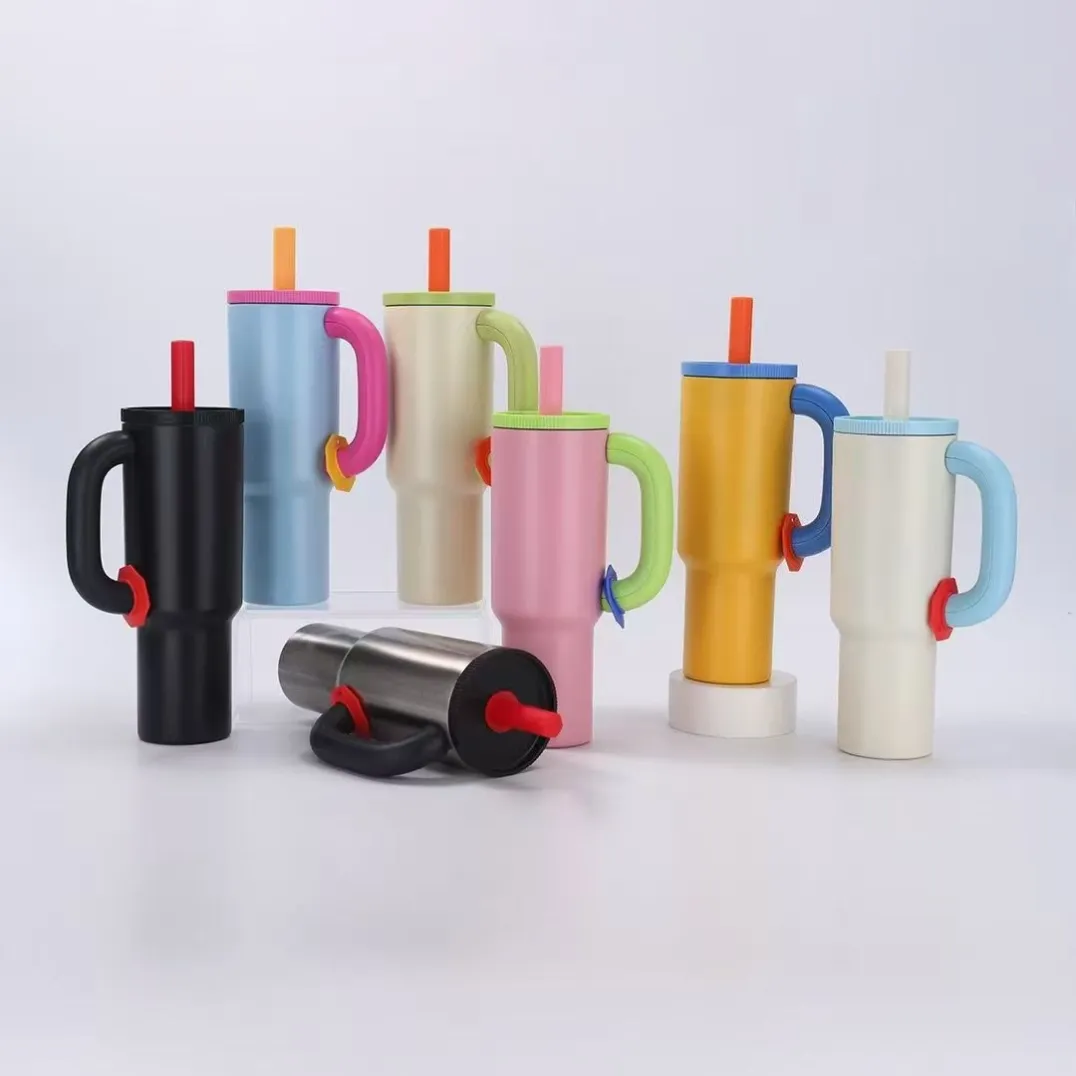
To clean a vacuum insulated stainless steel bottle, rinse it with warm water and a little mild dish soap after each use, scrub the inside with a soft bottle brush, rinse it well, and leave it open to dry.
Once a week, give it a deeper clean with warm soapy water and a soft brush, and clean the lid and seal in the same way. That routine keeps drinks tasting fresh and keeps the bottle in good shape for longer.
This guide is for people who use a vacuum insulated stainless steel bottle every day. It is for office workers, students, gym users, and travellers who fill the same bottle again and again. It is not for a bottle that has a broken seal or a damaged lid.
If the lid no longer closes well or the bottle no longer keeps drinks cold or hot as it did, cleaning will not fix that problem, and you should check the product details or contact the supplier.
What happens when a bottle is not cleaned every day?
Picture a bottle that is filled with coffee in the morning, left in a car during the afternoon, and filled again with water the next day without being washed. The coffee leaves a thin film inside the bottle. The next drink picks up that taste.
After a few days, the bottle starts to smell, even when it looks clean from the outside. The smell is not a fault in the steel. It is a sign that residue has been left inside.
The same thing happens with tea, juice, and sports drinks. These drinks leave more residue than plain water. A bottle used only for water can go longer between cleans, but a bottle used for coffee or juice needs a rinse after each use.
If you wait until the end of the week, the residue is harder to remove, and the smell is harder to shift. A short rinse each day takes less time than a long scrub at the end of the week.
A lid can cause the same problem. A leak-proof lid has a seal and a small gap around the seal. Drinks can sit in that gap, and the seal can pick up a smell. If you wash the bottle but not the lid, the drink will still taste stale.
The lid needs the same care as the bottle. Take it apart if it comes apart, wash each part, and let each part dry before you put it back together.
Why does a stainless steel bottle develop a smell or a stain?
A stainless steel bottle is rust-resistant and easy to clean, but it is not self-cleaning. Drinks leave sugars, oils, and fine particles on the inside wall. Those particles feed the smell that builds up over time. A dark drink such as coffee or tea can also leave a stain.
The stain does not mean the steel is damaged. It means the inside needs a deeper clean than a quick rinse.
The shape of the bottle can make cleaning harder. A wide mouth mug is easy to reach inside. A tall water bottle with a narrow mouth is harder to reach, and a brush helps a lot. An egg-shaped tumbler has a curved inside that a cloth cannot reach well.
A bottle brush with a long handle reaches the base and the curve. Without a brush, residue stays in the places that are hardest to reach.
The seal is another place where a smell can hide. The seal is soft, and it can hold a smell from a strong drink. If the seal is not washed and dried, the smell stays. If the seal is left wet inside a closed bottle, the smell can get worse.
Drying the seal in the open air helps. If the seal looks worn or no longer fits well, ask the supplier about a replacement before you keep using the bottle.
Which cleaning method fits daily use, and which fits a deeper clean?
For daily use, a short routine is enough. Empty the bottle, rinse it with warm water, and add a little mild dish soap. Scrub the inside with a soft bottle brush, and wash the lid and the seal with the same soapy water. Rinse everything with clean warm water until the soap is gone.
Leave the bottle open and upside down on a rack, and leave the lid beside it. Let both parts dry in the air before you close the bottle again.
For a deeper weekly clean, take more time with the same tools. Fill the bottle with warm water and a little mild dish soap, and leave it for a short time before you scrub. Scrub the base and the inside wall, and pay attention to the rim where your mouth touches the bottle.
Wash the lid in the same way, and clean around the seal with a soft cloth or a small brush. Rinse everything well, and let it dry in the open air. A weekly clean like this keeps the taste fresh and stops stains from building up.
For a stubborn smell, a longer soak can help. Fill the bottle with warm water and a little mild dish soap, and leave it to soak before you scrub and rinse. Do not use a harsh cleaner or a strong chemical, because it can leave a taste in the bottle and can damage the seal.
Do not use a hard metal brush, because it can scratch the inside. A soft brush and warm soapy water are enough for most stains and smells.
For a bottle used for coffee or tea, clean it after each use if you can. Coffee and tea leave a stronger taste than water, and they stain more easily. A quick rinse after your last drink of the day is better than a long clean at the end of the week.
If you use the bottle for juice or a sports drink, the same rule applies. Rinse it soon after you finish the drink, and do the deeper clean once a week.
What should you avoid when you clean a vacuum insulated bottle?
Avoid closing a wet bottle and leaving it closed. A closed wet bottle traps moisture, and moisture helps a smell to build up. Always leave the bottle open until it is dry inside. The same rule applies to the lid. Leave the lid open and apart from the bottle until both parts are dry.
This one habit makes the biggest difference to how fresh the bottle smells.
Avoid putting the bottle in a microwave or a freezer unless the supplier confirms that it is safe for that model. A vacuum insulated bottle is made with food-grade double-walled vacuum insulation, and it keeps drinks cold for 24 hours and hot for 12 hours.
That insulation works because of the sealed space between the walls. Extreme heat or freezing can damage that seal, so do not test it without a clear instruction from the supplier. The same care applies to the lid and the seal.
Avoid harsh cleaners, bleach, and strong chemicals. They can leave a taste that is hard to rinse out, and they can damage the seal. A mild dish soap is enough for daily and weekly cleaning.
If you are not sure whether a cleaner is safe, use warm water and mild dish soap only, and ask the supplier before you try a stronger product. A cleaner that is safe for a glass is not always safe for a bottle seal.
Avoid using a hard brush or a rough sponge inside the bottle. Stainless steel is rust-resistant, but a hard brush can still scratch the inside surface. A scratch does not always affect the taste, but it can make the inside harder to clean next time. Use a soft bottle brush and a soft cloth.
If the brush is too short to reach the base, use a longer brush rather than forcing a short one.
What should you do next to keep your bottle in good shape?
Start with the daily routine tonight. Rinse the bottle with warm water and mild dish soap, scrub it with a soft brush, wash the lid and the seal, and leave everything open to dry.
Do the same after each use for the next week, and add the deeper weekly clean at the end of the week. If you follow that routine, you will notice that drinks taste fresher and the bottle smells cleaner.
If your bottle still smells after a deep clean, check the lid and the seal first. Wash the seal again, let it dry in the open air, and check whether the smell is coming from the seal or from the bottle.
If the seal looks worn or no longer fits well, contact the supplier through the contact form at /contact and describe the problem. Do not keep using a bottle with a damaged seal if it leaks.
If you are choosing a new bottle, browse the products at /products first. Look at water bottles, tumblers, travel mugs, and wide mouth mugs, and choose a shape that is easy for you to clean. A wide mouth is easier to wash by hand.
A bottle with a simple lid is easier to take apart and dry. The most useful bottle for you is the one you will clean after each use, not the one that looks most attractive on a shelf.
Frequently asked questions
How often should I clean my vacuum insulated bottle? Rinse it after each use, and give it a deeper clean once a week. A bottle used for coffee, tea, juice, or a sports drink needs a rinse after each use, because those drinks leave more residue than plain water.
A bottle used only for water can be rinsed daily and deep cleaned weekly.
Can I use baking soda to clean my bottle? Many people use warm water with a little mild dish soap for daily cleaning, and that is enough for most bottles. If you want to try another home method, use a gentle one only, rinse the bottle well, and check that no taste is left.
Do not use a harsh cleaner or a strong chemical, and ask the supplier if you are not sure.
Why does my bottle smell even after I wash it? The smell is often in the lid or the seal, not in the bottle itself. Wash the lid and the seal in the same way as the bottle, and let each part dry in the open air before you close the bottle.
If the smell stays after a deep clean, check whether the seal is worn, and contact the supplier through the contact form at /contact.
Can I put my bottle in the dishwasher? That depends on the model, so check the product details or confirm with the supplier before you put it in a dishwasher. The lid and the seal are often the parts that need the most care.
Washing by hand with warm water and mild dish soap is a safe routine for most bottles.