News & Insights
How to Check Quality When Your Wholesale Bottles Arrive
Your wholesale bottles have arrived. Check the count, logo, lid seal and insulation with simple steps you can verify before you sell or give them out.
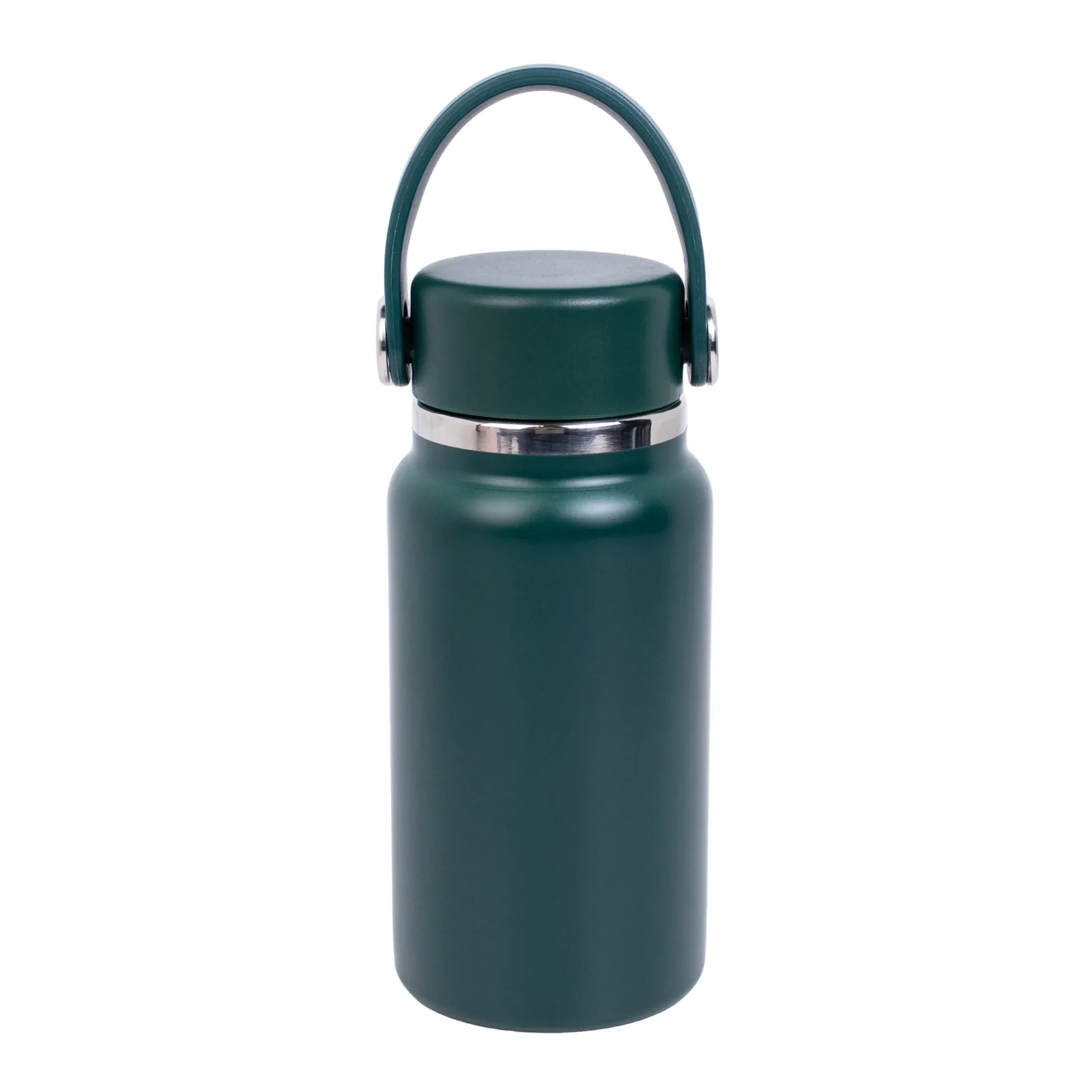
Your wholesale bottles have arrived, and the next step is not to put them straight on a shelf or into gift bags. A short check on arrival protects you twice: it catches a wrong size, a misspelled logo, or a lid that does not seal while the delivery is still in front of you, and it gives you clear notes if you need to contact the supplier.
This guide gives five checks you can do yourself — the count and order match, the outside of each bottle, the lid and seal, a simple insulation spot check, and the inside and mouth. It is written for a buyer receiving stock to sell or give out. It does not replace the supplier's stated details for your exact product, and it does not set a price, an order quantity, or a delivery time. Confirm those with the supplier for your order.
The short answer
Check five things before you distribute the bottles. First, count the delivery and match it to your order: product, size, colour, and logo. Second, look at the outside of a sample from across the cartons for dents, scratches, and logo errors. Third, open and close the lids and test the seal with water. Fourth, fill a bottle, close it fully, and check later whether it still holds its temperature. Fifth, look inside, check the mouth, and wash a bottle the way the end user will.
If a bottle fails one of these checks, set it aside, note how many are affected, and contact the supplier with your order details. Do not sell or give out a bottle you already know is wrong.
Check one: does the delivery match your order?
Start with the order, not with a single bottle. Count the cartons and the bottles, and compare the count with what you ordered. Then match the product itself: the style, the size, and the colour. The size guide on this site compares 12, 16, 20 and 30 oz by use, and a size that looks close on a shelf can still be the wrong size for the audience you planned.
If your bottles carry a custom logo, compare the printed logo with the proof you approved. Check the spelling letter by letter, the colours, and where the logo sits on the bottle. Custom logos, colours, and packaging are supported for business and wholesale orders, and the proof is the version you agreed to. Keep a copy of that approved proof with your order records, so the comparison on arrival takes minutes, not guesswork.
A mismatch found now is a short conversation with the supplier. The same mismatch found after the bottles are sold or given out is a problem with your own customers. That is why the order match comes first, before any check of a single bottle.
Check two: look at the outside, bottle by bottle
Take bottles from different cartons and from different layers, not only the top row. A delivery can look perfect on top and still hide damage underneath. Look at each sampled bottle in good light, turning it in your hand.
Look for dents, deep scratches, and marks in the finish. Check that the cap or lid sits straight and matches the bottle. On a printed or logo bottle, look at the print itself: is it complete, is it straight, and does it match the approved proof? On a coloured bottle, check that the colour is even and matches the colour you ordered.
You are not grading the bottle like a factory. You are answering a simpler question: would you hand this bottle to a customer or a client without hesitation? If the answer is no, set that bottle aside and note what you saw. A short note — how many bottles, and what the mark or error is — is worth more than a general complaint later.
Check three: test the lid and the seal
The lid decides whether the bottle can travel. Winsong describes its range with a secure leak-proof lid, but a leak-proof claim belongs to a specific product and lid combination. The arrival check is how you confirm that the lids in your cartons do the job.
Open and close each sampled lid. It should turn or click into place smoothly, without forcing. Look at the seal inside the lid: it should sit flat and complete, not twisted, pinched, or missing. A seal that is not seated properly is a common reason a good bottle leaks.
Then do a simple water check. Fill the bottle with water, close the lid fully, and hold it over a sink. Turn it on its side and then upside down for a few seconds, and give it a gentle shake. A secure lid keeps the water inside. If water escapes at the lid, dry the bottle, reseat the seal, close it again, and repeat the check once. If it still leaks, set that bottle aside and record it.
Do this check before the bottles reach a bag, a car, or a gym. A leak found over your sink costs a minute. A leak found in a customer's bag costs trust.
Check four: give the insulation a simple spot check
Winsong lists its bottles with food-grade double-walled vacuum insulation, cold for 24 hours and hot for 12 hours. Your arrival check cannot measure that performance exactly, and it should not pretend to. What it can do is confirm that a filled, fully closed bottle still holds its temperature over time.
Fill a sampled bottle with cold water, close the lid fully, and note the time. Leave the bottle closed and check the water later in the day. The water should still be clearly cold. You can repeat the same observation with a hot drink if your buyers will use the bottle for coffee or tea.
Keep the conditions honest. A bottle left open, half full, or with a damaged seal will not hold its temperature the way a filled, closed bottle does. So fill it, close it, and leave it closed. If a bottle that was filled and closed properly is warm within a short time, set it aside, note the time and conditions, and ask the supplier to confirm the insulation for that exact product.
This spot check is an observation, not a laboratory result. Its value is that it catches a bottle that clearly does not behave as described, while you can still act on it.
Check five: look inside and check the mouth
Look inside the bottle. The inside should be clean and smooth, with no loose material and no strong smell. If a new bottle has a light smell from packing, wash it and check again; the cleaning guide on this site gives a simple routine for a vacuum insulated stainless steel bottle. Winsong describes its bottles as easy to clean, and a wide mouth fits ice and lets a brush or cloth reach inside.
Check the mouth itself. Run a finger carefully around the rim: it should feel smooth, without a sharp edge. On a wide-mouth bottle, confirm that ice cubes fit and that a brush reaches the bottom. On any bottle, confirm that the inside can be washed properly, because the end user will wash it every day.
Wash one sampled bottle the way the end user will, dry it, and look at it again. A bottle that is easy to wash gets washed, and a bottle that gets washed stays in use. If the inside is hard to reach or the rim feels wrong, note it before the bottles go out.
What to do when something fails a check
Set the bottle aside. Do not mix failed bottles back into stock, and do not sell or give them out while you wait for an answer. Count how many bottles are affected, and write down what failed: the count, the logo, the lid, the insulation observation, or the inside.
Take a clear photo of the problem next to a bottle that passed the same check. Keep the packaging and your order details with the notes. Then contact the supplier promptly through the contact form at /contact, with the product, size, colour, and what you found. Clear notes and a photo let the supplier confirm the exact product and agree the next step with you.
Do not guess at a remedy, and do not promise your own customers a replacement date until the supplier has confirmed the next step for your order. The arrival check gives you facts. The supplier's reply turns those facts into a plan.
A delivery that passes all five checks is ready to sell or give out. A delivery with a small, well-recorded problem is also a good outcome: you found it early, you can describe it exactly, and your customers never see it.
Frequently asked questions
How many bottles should I check on arrival? Check the full count against your order, and sample bottles from different cartons and layers for the outside, lid, insulation, and inside checks. The count must be complete; the other checks must cover more than the top row of one carton.
What should I compare a custom logo against? Compare it with the proof you approved before production. Check the spelling, the colours, and the position on the bottle. Keep a copy of the approved proof with your order records so the arrival check is a direct comparison.
How do I test a leak-proof lid? Fill the bottle with water, close the lid fully, and hold it over a sink on its side and upside down for a few seconds with a gentle shake. If it leaks, reseat the seal and repeat once. A lid that still leaks should be set aside and recorded.
Can I verify cold 24 hours and hot 12 hours at home? You can make a simple observation: fill the bottle, close it fully, note the time, and check later whether the drink still holds its temperature. That observation catches a bottle that clearly does not behave as described. Ask the supplier to confirm the insulation performance for your exact product.
What should I send the supplier if a check fails? Send the product, size, and colour, how many bottles are affected, what failed, and a clear photo next to a bottle that passed. Use the contact form at /contact and keep the packaging and order details until the supplier confirms the next step.